






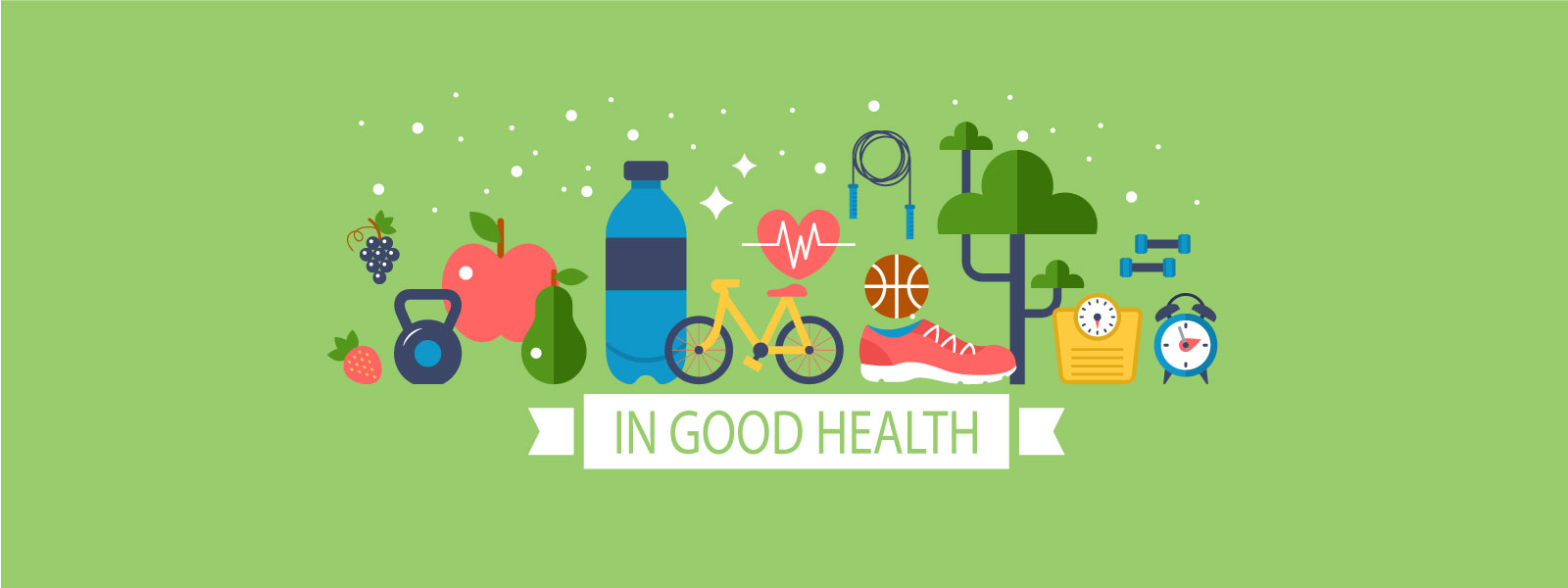
Good health is one of the most valuable assets a person can have. It affects every aspect of our lives — from how we feel and perform daily activities to our ability to enjoy relationships and pursue goals. Maintaining good health is not just about avoiding illness; it is a proactive commitment to caring for your body, mind, and spirit. This article explores the pillars of good health, practical tips for living a healthier life, and how small changes can make a big difference.
What Does Good Health Mean?
Good health is a state of complete physical, mental, and social well-being, not merely the absence of disease or infirmity. The World Health Organization (WHO) emphasizes that health involves multiple dimensions including:
-
Physical health: The condition of your body and its ability to function optimally.
-
Mental health: Emotional and psychological well-being, including the ability to manage stress and maintain positive relationships.
-
Social health: Having a supportive network and fulfilling social connections.
True good health requires a balance among these areas, supported by healthy habits and mindful living.
The Pillars of Good Health
1. Nutrition
What you eat plays a fundamental role in your health. A balanced diet provides essential nutrients your body needs to function, repair, and grow. Good nutrition helps maintain a healthy weight, boosts your immune system, improves brain function, and lowers the risk of chronic diseases.
Key components of a healthy diet include:
-
Plenty of fruits and vegetables
-
Whole grains instead of refined grains
-
Lean proteins such as poultry, fish, legumes, and nuts
-
Healthy fats from sources like olive oil, avocado, and seeds
-
Limited intake of added sugars, salt, and processed foods
Drinking enough water daily is also critical for digestion, circulation, and temperature regulation.
2. Physical Activity
Regular physical activity strengthens the heart, muscles, and bones. It improves lung capacity, circulation, and metabolism. Exercise is also a powerful mood booster, helping reduce anxiety and depression.
The World Health Organization recommends adults aim for at least 150 minutes of moderate aerobic exercise or 75 minutes of vigorous exercise weekly, combined with muscle-strengthening activities twice a week.
Examples of physical activities include walking, cycling, swimming, dancing, yoga, and strength training. Even simple changes like taking the stairs, gardening, or walking the dog contribute to better health.
3. Sleep
Adequate, quality sleep is essential for the body to repair itself, consolidate memories, and regulate hormones. Poor sleep is linked to increased risk of heart disease, diabetes, obesity, and impaired mental function.
Adults generally need 7-9 hours of sleep each night. To improve sleep quality:
-
Stick to a consistent sleep schedule
-
Create a relaxing bedtime routine
-
Limit exposure to screens before sleeping
-
Keep your sleep environment cool, dark, and quiet
-
Avoid caffeine and heavy meals close to bedtime
4. Mental Health and Stress Management
Good health isn’t just physical. Emotional and mental well-being are vital. Managing stress effectively improves your overall health and quality of life.
Techniques for better mental health include:
-
Practicing mindfulness or meditation
-
Staying socially connected with friends and family
-
Seeking professional support when needed
-
Engaging in hobbies and activities that bring joy
-
Limiting negative self-talk and practicing gratitude
5. Avoiding Harmful Habits
Avoiding tobacco, limiting alcohol, and steering clear of recreational drugs are crucial for protecting your health. Smoking is linked to cancer, lung diseases, and heart problems. Excessive alcohol intake damages the liver, brain, and increases accident risk.
If you struggle with quitting harmful substances, seek support through counseling, support groups, or medical interventions.
Preventive Health Measures
Prevention is better than cure. Regular health check-ups can detect problems early when they are easier to treat. Vaccinations protect against infectious diseases, and screenings for blood pressure, cholesterol, diabetes, and cancers can save lives.
Good hygiene practices such as handwashing, oral care, and safe food handling also prevent many illnesses.
Building Healthy Habits for Life
Making lasting health improvements often requires changing habits. Here are strategies for sustainable lifestyle changes:
-
Set realistic goals: Start small, like adding one fruit to your diet or walking 10 minutes daily.
-
Track progress: Use journals or apps to monitor your activities and achievements.
-
Find support: Partner with friends or join groups with similar health goals.
-
Celebrate milestones: Reward yourself for progress to stay motivated.
-
Be kind to yourself: Expect setbacks and view them as learning opportunities rather than failures.
The Role of Social Health
Humans are social beings, and meaningful relationships enhance well-being. Strong social connections reduce stress, improve longevity, and promote mental health.
Make time for family and friends, nurture relationships, and be open to seeking help or offering support when needed. Volunteering and community engagement also enrich social health.
Good Health Across the Lifespan
Health needs and challenges change throughout life:
-
Children and Adolescents: Proper nutrition and physical activity are crucial for growth and development. Encouraging healthy habits early sets the stage for adult health.
-
Adults: Balancing work, family, and self-care requires prioritizing health. Stress management and preventive care become increasingly important.
-
Older Adults: Maintaining mobility, cognitive function, and managing chronic conditions are key. Social engagement and regular check-ups are vital.
No matter your age, investing in your health pays lifelong dividends.
Common Barriers to Good Health and How to Overcome Them
Many face obstacles like busy schedules, financial constraints, or limited access to healthy foods and safe exercise spaces. Mental health stigma and misinformation also hinder well-being.
Solutions include:
-
Planning meals and exercise into your calendar
-
Using community resources like parks or food banks
-
Seeking affordable health services or insurance options
-
Educating yourself with trusted health information
-
Advocating for policies that promote health equity
The Power of Mind-Body Connection
Good health is not just about physical or mental health separately but their interaction. Stress can manifest physically through headaches or high blood pressure, while chronic illness can impact mood.
Practices like yoga, tai chi, and mindfulness integrate body and mind, promoting holistic health.
Technology and Good Health
Digital health tools, fitness trackers, meditation apps, and telemedicine have revolutionized access and motivation for healthy living. Use technology mindfully to support—not replace—healthy habits.
Conclusion
Good health is a holistic, lifelong journey that involves nurturing your body, mind, and social connections. By adopting balanced nutrition, regular physical activity, restful sleep, mental well-being practices, and preventive care, you set a strong foundation for a fulfilling life.
Remember, small, consistent steps lead to meaningful change. Prioritize your health today to enjoy a brighter, more vibrant tomorrow.