





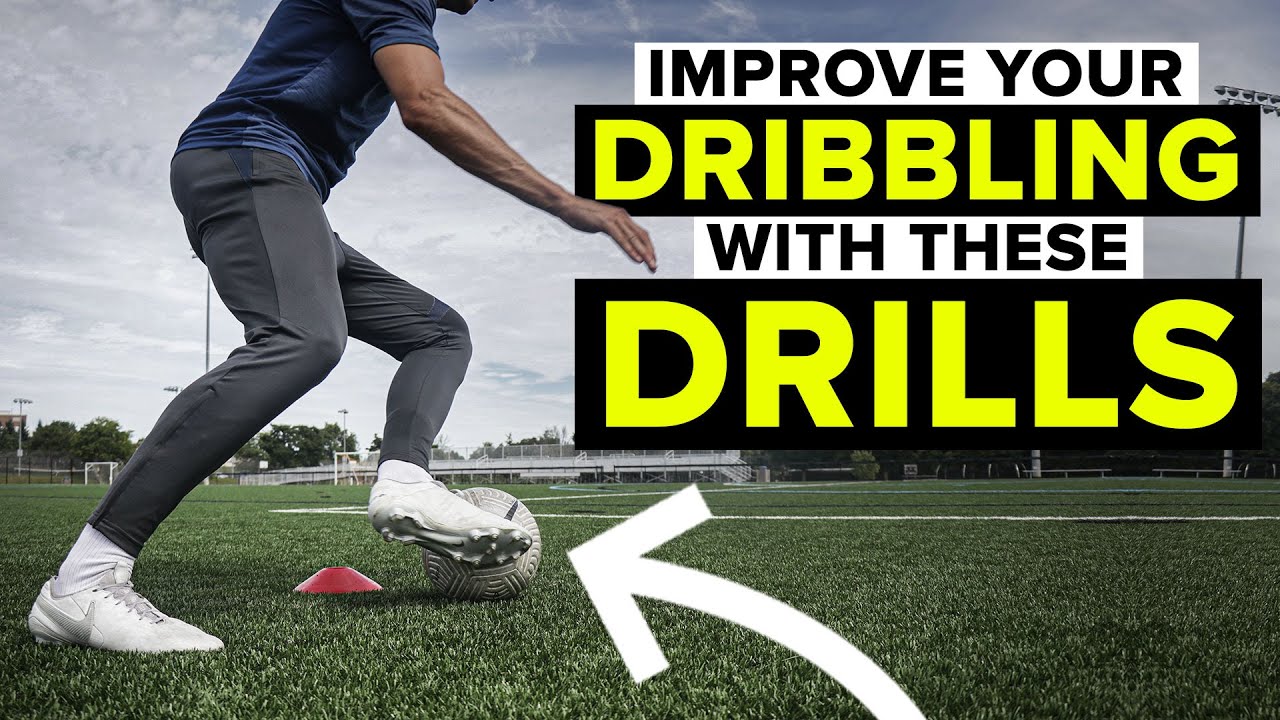
Improving dribbling skills is one of the most important goals for any athlete involved in ball-based sports, especially basketball and soccer. Whether you are a beginner trying to get comfortable with the ball or an advanced player aiming to dominate opponents, mastering dribbling makes you faster, smarter, and more confident on the field or court. Strong ball control helps you break defenses, create opportunities, and maintain possession under pressure.
Below is a complete guide explaining how to improve dribbling skills naturally through technique, practice, and smart training.
1. Build Strong Fundamentals
Before working on advanced moves, you must focus on fundamentals. Strong basics are the foundation of excellent ball control.
Keep Your Head Up
One of the most essential dribbling skills is playing with your head up. This improves:
-
Awareness
-
Vision
-
Reaction time
-
Decision-making
Practice dribbling without looking at the ball until it becomes natural.
Use Your Finger Pads (Basketball) / Foot Surface (Soccer)
For basketball, never use your palms. Finger pads allow better feel and quicker control.
For soccer, using the inside, outside, and sole of your foot improves flexibility and movement.
Maintain Proper Body Position
A good stance improves balance during dribbling:
-
Knees slightly bent
-
Center of gravity low
-
Shoulders relaxed
-
Feet active
This body posture supports quicker direction changes and better control.
2. Improve Hand-Eye and Foot-Eye Coordination
Coordination is the heart of all dribbling skills. To improve it, try these drills:
Ball Taps (Basketball)
Tap the ball between hands while walking, jogging, and moving laterally.
Toe Taps and Inside Touches (Soccer)
Perform quick touches with alternating feet to build rhythm and control.
Wall Reactions
Bounce or pass the ball against a wall, then react quickly to different angles.
Better coordination helps you handle the ball faster, especially when opponents apply pressure.
3. Develop Strong Footwork and Agility
Speed and agility directly impact how well you dribble. Improving these two areas increases your ability to change direction quickly.
Ladder Drills
Use an agility ladder to practice:
-
Side steps
-
Quick feet
-
In-and-out steps
-
Crossovers
These drills match real-game movements.
Cone Dribbling Drills
Place cones in different shapes—straight lines, zigzags, circles—and dribble through them.
This improves:
-
Precision
-
Timing
-
Dribbling control
-
Sharp turns
Sprint + Dribble Combinations
Alternate between sprinting and dribbling to mimic real-game speed changes.
4. Practice Both Hands or Both Feet
A great dribbler is unpredictable. To achieve this, you must use both hands (in basketball) or both feet (in soccer).
Weak-Side Drills
Spend extra time dribbling with your weaker side:
-
Low dribbles
-
High dribbles
-
Crossovers
-
Behind-the-back
-
In-and-out moves
For soccer, practice passing, shooting, and first touch with your weaker foot.
Being able to dribble on both sides makes you harder to guard and increases opportunities during gameplay.
5. Work on Speed Control
Great dribblers are not always the fastest—they are the smartest with pace.
Controlled vs. Explosive Dribbling
Practice:
-
Slow dribble
-
Medium-speed dribble
-
Sudden acceleration
This helps you attack defenders unpredictably.
Change of Direction + Change of Speed
Perform drills where you:
-
Slow down
-
Shift directions
-
Explode forward
This combination is the secret behind elite-level dribbling.
6. Master Essential Techniques
Depending on your sport, mastering the right techniques helps you dramatically improve dribbling skills.
For Basketball Dribbling
1. Crossovers
Quickly switch the ball from one hand to the other to mislead defenders.
2. Behind-the-Back Dribble
Helps protect the ball from aggressive defenders.
3. Hesitation Move
A sudden change in speed creates openings for drives.
4. In-and-Out Dribble
Useful for fake moves and breaking tight defenses.
For Soccer Dribbling
1. Body Feints
Fake movements using shoulders or hips to confuse defenders.
2. Step-Over
One of the most effective 1v1 moves to open space.
3. Drag-Back
Perfect for changing directions in tight spaces.
4. Outside-Foot Dribble
Helpful for quick diagonal cuts while running at high speed.
7. Strengthen Your Core and Lower Body
Dribbling relies heavily on stability and control, which come from your core and legs.
Best Strength Exercises
-
Squats
-
Lunges
-
Planks
-
Side planks
-
Calf raises
-
Hip mobility drills
A stronger body means better balance, faster turns, and firm control under pressure.
8. Improve Reaction Time
Dribbling is not just about technique—it’s about reacting faster than your opponent.
Try:
-
Mirror drills with a partner
-
Random direction change drills
-
Fast-paced dribbling circuits
Faster reaction time gives you a big advantage in competitive situations.
9. Build Confidence Through Repetition
Repetition is the key to mastery. The more you practice, the more natural dribbling becomes.
Daily 20-Minute Routine
-
5 minutes low dribble
-
5 minutes weak-side dribble
-
5 minutes cone drills
-
5 minutes speed-variation dribbling
Consistency produces real results.
10. Play in Real-Game Situations
The best way to improve dribbling skills is by applying them in real-game environments.
Benefits of real gameplay:
-
Develops decision-making
-
Builds confidence
-
Helps you understand positioning
-
Improves instinct
Join pickup games, practice matches, or even small-sided games to sharpen your dribbling under pressure.
Final Thoughts
Improving dribbling skills takes patience, discipline, and smart training. Whether you play basketball or soccer, your ability to maintain ball control, use both hands or feet, master quick movements, and stay calm under pressure will define your success.
By practicing the techniques and drills mentioned above—and staying consistent—you will gradually become a more confident, creative, and dominant dribbler. With the combination of agility, coordination, strength, and game intelligence, your dribbling skills can reach professional levels over time.