






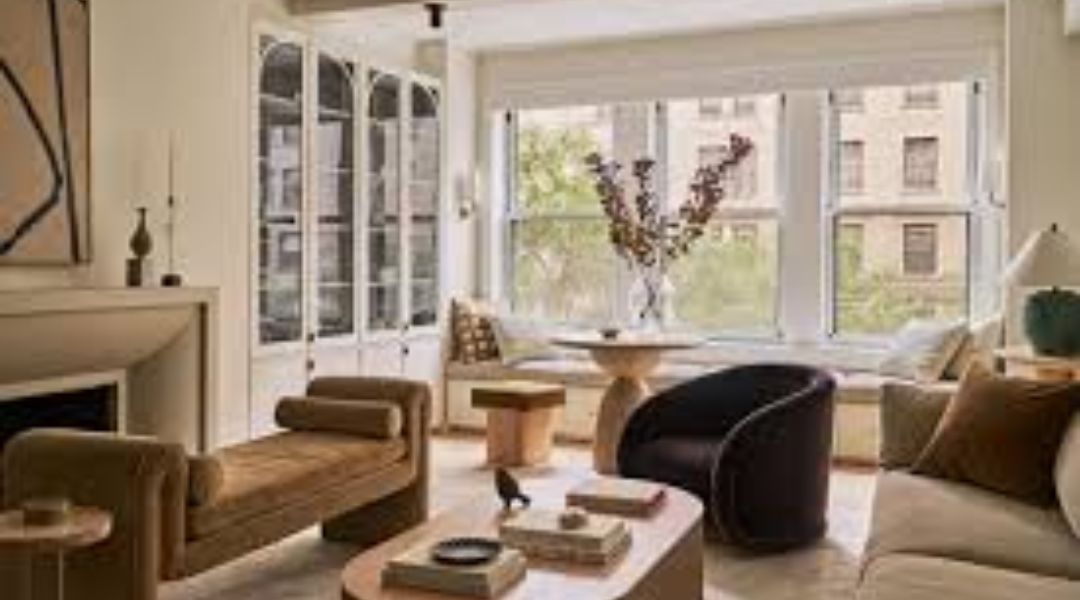
As we enter 2026, interior design trends highlight a shift toward spaces that feel personal, sustainable, and comforting. People want homes that tell stories, use natural materials, and promote well-being. These changes come from a mix of cultural needs, like craving warmth in uncertain times, and practical demands, such as eco-friendly choices. Experts point to trends that blend old and new, making rooms functional yet beautiful. This article dives into the key interior design trends, drawing from top sources to help you update your space with confidence.
The Evolution of Interior Design Trends
has always mirrored society’s values. In the early 20th century, modernism brought clean lines and minimalism, reacting to industrial growth. By the 1970s, bold patterns and colors expressed freedom. Today, in 2026, focus on sustainability and emotion. A recent surge shows people searching for ways to make homes feel lived-in, with Google noting a 5,000% rise in “burl wood furniture” queries last month. This reflects a desire for pieces with character.
Designers say these shifts stem from post-pandemic life, where homes became sanctuaries. Economic factors, like rising costs, push for long-lasting items over fast decor. Social media amplifies trends, but experts warn against fleeting fads. Instead, they advocate for timeless elements that evolve with you.
Why Sustainability Leads Interior Design Trends
Sustainability isn’t just a buzzword—it’s a core part of 2026’s interior design trends. Homeowners choose materials that last and harm the planet less. Reclaimed wood, recycled metals, and organic fabrics top the list.
Take vintage furniture: It adds history while reducing waste. Designers reupholster old chairs with modern textiles for a fresh look. One study from the Ellen MacArthur Foundation estimates that circular economy practices in design could cut global emissions by 45% by 2050. In practice, this means sourcing antiques from local markets or online platforms.
Trends like this reassure you that eco-friendly choices don’t sacrifice style. For example, use bamboo flooring—it’s renewable and durable. Pair it with low-VOC paints to keep air clean. This approach creates healthy spaces that feel good to live in.
Embracing Natural Materials in Your Home
Natural materials dominate interior design trends this year. Woods like oak, walnut, and burl bring warmth and texture. Darker tones, such as smoked oak, add depth to rooms, moving away from pale finishes.
Experts recommend mixing woods for an organic feel. A walnut table with oak chairs creates contrast without clashing. Burl wood, with its unique patterns, has seen massive popularity—searches jumped dramatically, as noted in recent reports. It’s perfect for accent pieces like coffee tables.
Stone and marble also shine. Quartzite countertops outperform quartz for their natural veining and strength. In bathrooms, use travertine tiles for a spa-like vibe. These choices make homes feel grounded and timeless.
Color Palettes That Define 2026
Colors set the mood in interior design. For 2026, trends lean toward earthy, moody shades. Think dusty blues, muddy greens, and warm caramels. These hues create calm in busy lives.
Color drenching—painting walls, ceilings, and trim the same shade—builds immersion. A deep green living room envelops you like a forest. Designers say this technique adds coziness, especially in winter. Muted teals work well in bedrooms for serenity, while dusky pinks soften kitchens.
Avoid stark whites; they’re out. Instead, layer colors with accents. A ochre sofa against artichoke walls pops. Sherwin-Williams’ 2026 Color of the Year inspires many to experiment with these palettes.
Textures and Textiles for Tactile Appeal
Touch matters in modern interior design trends. Tactile elements like woven rugs, velvet cushions, and metal accents add depth. Textile wall hangings, from mohair tapestries to antique fabrics, bring softness to walls.
Fringing and tassels elevate simple items. Trim a curtain with them for luxury on a budget. Experts note that these details make spaces feel handcrafted. In 2026, favor patinated metals—think aged brass lamps that tell a story.
Wallpaper surges too. Floral prints and textured sisal cover everything from ceilings to powder rooms. This “fifth wall” treatment turns overhead spaces into art.
Biophilic Design: Bringing Nature Indoors
Biophilic connects us to nature, boosting wellness. include plants, natural light, and outdoor-inspired elements. Circadian lighting systems, like those from Lutron, mimic sunlight to improve sleep and mood.
Incorporate living walls or large potted trees. Use rattan furniture for an exotic twist. Outdoor spaces extend indoors with seamless patios. Studies show biophilic elements reduce stress by 60%, per the Human Spaces report.
This trend reassures urban dwellers that nature is accessible. Start small: Add a herb garden in the kitchen for fresh scents and function.
Curves and Organic Shapes in Furniture
Rigid lines give way to curves in 2026’s interior design trends. Rounded sofas, elliptical tables, and arched doorways soften rooms. These shapes promote flow and sociability.
Sculptural pieces, like wavy mirrors or blob lamps, add playfulness. Designers draw from nature—think pebble-inspired ottomans. Chunky, comfortable furniture returns, with velvet upholstery for luxury.
Mix curves with straight edges for balance. A curved couch pairs well with angular shelves. This approach makes spaces inviting and dynamic.
Nostalgia and Grandma Chic Revival
Nostalgia fuels many trends in interior design. “Grandma chic” brings back floral patterns, lace doilies, and heirloom pieces. It’s about comfort with a vintage twist.
Cluttercore, or intentional clutter, replaces minimalism. Display books, photos, and knick-knacks thoughtfully. This creates lived-in vibes that feel authentic.
Revive Art Deco elements too—geometric motifs in rugs or lighting. Milan Design Week showcased this blend of old and new. It helps homes reflect personal histories.
Kitchen and Bathroom Transformations
Kitchens evolve in interior design trends. Unfitted designs with standalone wood cabinets feel organic. Hand-painted tiles add artistry—floral motifs or delft patterns charm.
Freestanding showers in bathrooms offer flexibility. Pair with earthy paints for spa retreats. Eco-friendly fixtures, like water-saving taps, align with sustainability.
For colors, teals and greens dominate. These spaces become focal points, blending function with beauty.
Lighting and Tech Integration
Lighting sets ambiance in interior design. Maximalist fixtures, like oversized chandeliers, make statements. Smart systems adjust for time of day.
Wellness-focused tech, such as air purifiers disguised as decor, rises. Integrate charging stations into furniture for seamless living.
Choose warm LEDs over harsh bulbs. Layer lights—pendants, sconces, floor lamps—for versatility.
Personalization and Slow Design
Slow design emphasizes craftsmanship over mass production. In 2026, trends favor bespoke items with provenance, like hand-embroidered panels.
Personal storytelling shines. Mix family heirlooms with modern art. This creates unique spaces that evolve.
Avoid micro-trends; focus on longevity. Invest in quality pieces that age gracefully.
How to Implement These Trends on a Budget
You don’t need a fortune to follow interior design trends. Here’s how:
- Shop second-hand: Hunt for vintage woods or textiles at thrift stores.
- DIY updates: Paint walls in moody hues yourself—tools cost little.
- Layer accessories: Add cushions and rugs for texture without big changes.
- Repurpose items: Turn old fabrics into wall hangings.
- Focus on one room: Start small to build confidence.
These steps make updates approachable and fun.
Challenges and Solutions in Adopting Trends
Adopting new interior design trends can overwhelm. Space limits? Use multifunctional furniture like curved ottomans with storage.
Budget tight? Prioritize versatile pieces. For eco concerns, verify materials’ origins.
Experts reassure: Start with what you love. Trends guide, but your taste rules.
Case Studies: Real Homes Embracing 2026 Trends
Consider a San Francisco Victorian updated with livable luxury. Owners preserved original woodwork, adding color drenching in olive for warmth.
In a London flat, tactile metals and textile hangings create drama. The owner used burl wood accents for character.
These examples show trends work in diverse settings.
The Role of Culture in Shaping Trends
Culture influences . The Year of the Fire Horse in 2026 inspires fluid layouts and bold energies.
Global events, like sustainability pushes, drive natural materials. Social media spreads ideas, but pros stress authenticity.
Future Outlook: Beyond 2026
Looking ahead, trends may integrate more AI for personalized designs. Wellness remains key, with adaptive spaces.
Stay informed by following reliable sources like Vogue’s interior design trends for 2026.
FAQs on Interior Design Trends
What are the top interior design trends for 2026? Key ones include natural woods, moody colors, and biophilic elements for cozy, sustainable homes.
How can I incorporate sustainability into my interior design? Use reclaimed materials and vintage pieces to reduce waste while adding charm.
Are curves really a big trend in interior design? Yes, organic shapes soften spaces and promote better flow.
What’s out in interior design trends this year? Stark minimalism and sterile whites fade in favor of warmth and personality.
Check magazines like Architectural Digest or online forecasts.
Conclusion
In summary, 2026’s interior design trends emphasize sustainability, tactile comfort, and personal touches. From burl woods to color-drenched rooms, these elements create homes that nurture and inspire. By blending natural materials with nostalgic vibes, you build spaces that last. What interior design trend will you try first in your home?
For unique fonts to enhance custom signage or labels in your decor, explore Fontlu.
For more on specific styles, see Elle Decor’s design trends or Architectural Digest’s interior design trends.