






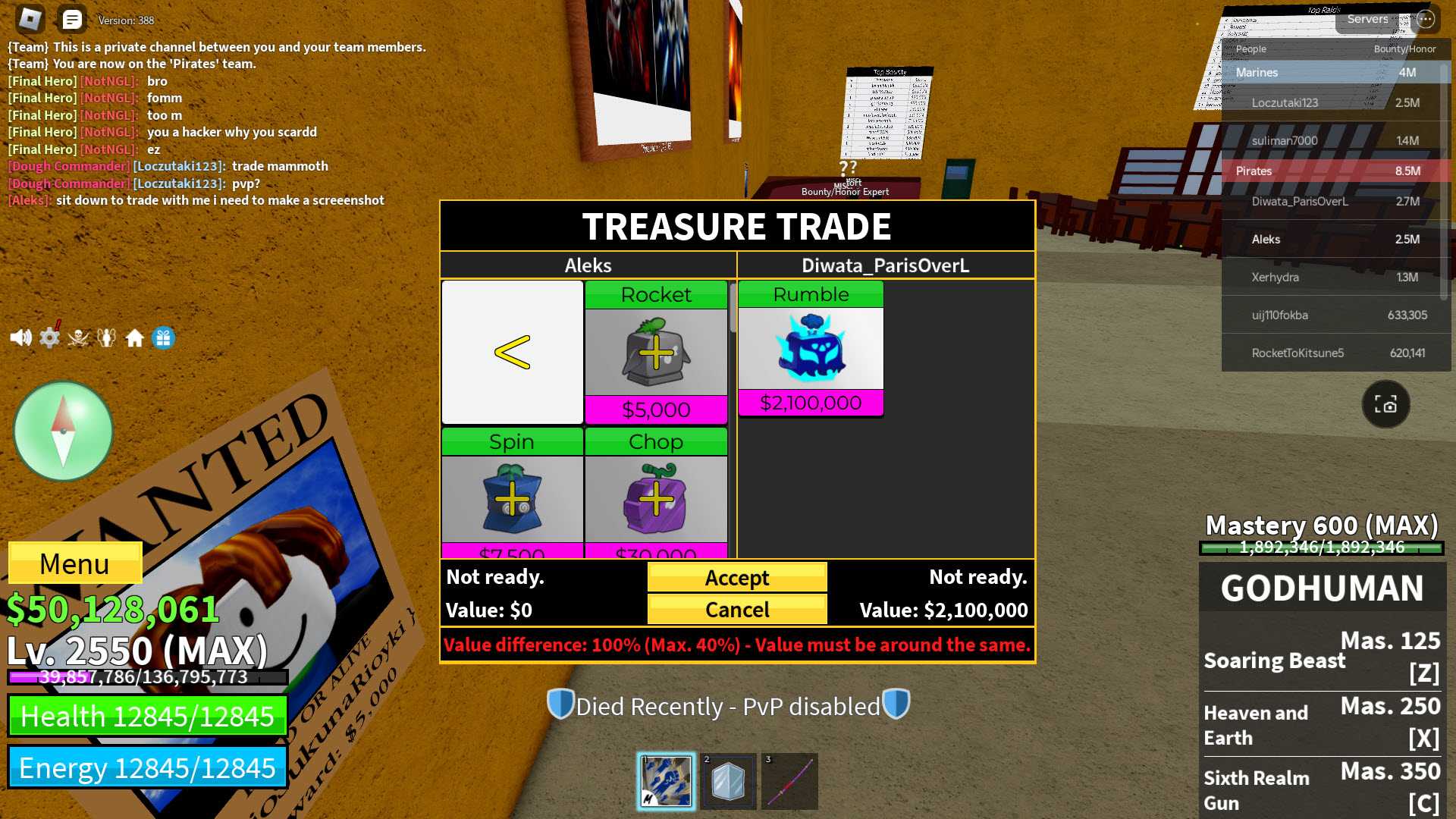
Roblox has become one of the most popular gaming platforms in the world, hosting millions of games across different genres. Among its top titles is Blox Fruits, an action-adventure game inspired by the anime One Piece. In Blox Fruits, players can explore vast seas, battle powerful enemies, and unlock special abilities through magical fruits. One of the most engaging aspects of the game is its trading system, where players exchange fruits, items, and game passes to gain an advantage.
Understanding Blox Fruits trading values is essential for anyone who wants to succeed in trading and avoid unfair deals. Since the game’s economy is driven entirely by players, values change constantly, depending on demand, rarity, and updates. This article provides a deep dive into the trading system, fruit tiers, market dynamics, and strategies to become a successful trader.
What Are Trading Values in Blox Fruits?
In simple terms, trading values represent how much one fruit, item, or game pass is worth compared to another. Since Blox Fruits doesn’t use a fixed in-game currency for trading fruits, the community sets values based on:
-
Rarity of the fruit
-
Practical use in battles and grinding
-
Demand among players
-
Update changes that buff or nerf certain fruits
-
Market hype driven by YouTubers or popular players
For example, a rare fruit like Leopard will always be worth more than common fruits like Spin or Chop, because of its strength, rarity, and popularity.
The Fruit Rarity System
Blox Fruits are divided into different rarities, which heavily influence their trading values.
1. Common Fruits
These are easy to find, cheap, and usually not in demand for trades. Examples include:
-
Spin
-
Chop
-
Spring
Trading Value: Very Low
2. Uncommon Fruits
Slightly better than commons, but still low in value. Examples:
-
Bomb
-
Smoke
-
Spike
Trading Value: Low
3. Rare Fruits
These are mid-tier fruits that some players still use for grinding or PVP, but they are not considered high-value. Examples:
-
Ice
-
Sand
-
Dark
Trading Value: Moderate
4. Legendary Fruits
Highly desired for both grinding and combat. They fetch high values in trades. Examples:
-
Light
-
Magma
-
Buddha
Trading Value: High
5. Mythical Fruits
The rarest and most powerful fruits in the game. These dominate the market and are always in demand. Examples:
-
Leopard
-
Dragon
-
Spirit
-
Dough
Trading Value: Very High
Factors That Affect Trading Values
Several factors influence how fruits and items are valued in Blox Fruits:
1. Rarity and Spawn Rate
Naturally, fruits that are harder to obtain (like Leopard or Dragon) hold higher value compared to common fruits like Spin.
2. Performance in PVP and Grinding
Fruits that make grinding easy or dominate in battles rise in demand. For example, Buddha is one of the best fruits for grinding and raids, so it’s always valuable.
3. Updates and Balancing
Whenever the developers buff or nerf a fruit, its value changes overnight. If a weak fruit suddenly gets a powerful rework, its demand skyrockets.
4. Player Demand
Sometimes, values are influenced by hype. Popular YouTubers or streamers showcasing a fruit can increase its demand even if it’s not the strongest option.
5. Game Pass Trades
Game passes like the Perm Fruit Game Pass or 2x EXP Boosts are also traded, and their value is measured against high-tier fruits.
Examples of Trading Values
Here are some general trading values as of current community standards (these shift with updates):
-
Leopard Fruit: Often considered the most valuable fruit. It can be worth several high-tier fruits like Dragon + Spirit combined.
-
Dragon Fruit: Extremely valuable, often traded at the same tier as Leopard depending on updates.
-
Buddha Fruit: While not as rare as Leopard, it is in high demand due to grinding, making it a top-tier trading item.
-
Dough Fruit: Always valuable because of its powerful PVP abilities.
-
Common Fruits: Usually only traded in bulk, as single commons are worth very little.
For instance:
-
A Leopard Fruit might be worth 2x Buddha + Dragon + adds.
-
A Dough Fruit might be valued at Buddha + Magma + smaller fruits.
The Role of Game Passes in Trading
One of the unique aspects of Blox Fruits trading is that game passes can also be traded indirectly. Players often use permanent fruits purchased with Robux as a currency. For example:
-
Perm Leopard can be traded for several top-tier fruits.
-
Perm Buddha is highly sought after due to its grinding power.
Since permanent fruits cost Robux, they carry more weight in trades and often define high-value exchanges.
Strategies for Successful Trading
If you want to master trading in Blox Fruits, you’ll need strategy, patience, and market knowledge. Here are some tips:
1. Learn the Meta
Stay updated with patch notes and community discussions. If a fruit gets buffed, expect its value to rise.
2. Don’t Rush Trades
High-value trades require patience. Avoid accepting lowball offers and wait for the right deal.
3. Understand Overpaying
Sometimes players will “overpay” for a fruit because they desperately need it. Recognize these opportunities to maximize your gains.
4. Trade in Safe Communities
Scamming exists, so it’s better to trade in trusted Discord servers or with known players.
5. Diversify Your Fruits
Instead of holding only one rare fruit, try to collect a mix of high-demand fruits like Buddha, Leopard, Dragon, and Dough to improve your trading flexibility.
Common Mistakes in Trading
New traders often make mistakes that cost them valuable fruits. Some common pitfalls include:
-
Falling for Scams: Trusting random players who promise to “add later.” Always complete trades upfront.
-
Trading Away Meta Fruits Too Early: Holding onto fruits like Buddha or Leopard can bring better trades later.
-
Ignoring Game Pass Values: Permanent fruits hold high value and should never be undervalued.
-
Not Knowing Tier Lists: Beginners often give away legendary fruits for multiple low-tier fruits, losing out on value.
Community and Trading Platforms
Trading values are largely dictated by the Blox Fruits community. Popular spaces for trading include:
-
Discord trading servers
-
Roblox forums
-
YouTube channels that post value lists
-
Community-driven tier lists
These communities often release value charts that help players know what their fruit is worth. However, values are not fixed and can change based on supply and demand.
Future of Blox Fruits Trading
As Blox Fruits continues to update, trading values will keep evolving. Upcoming updates that add new fruits or rework old ones will shake up the market. For instance:
-
A new mythical fruit could dethrone Leopard or Dragon.
-
Buffs to weaker fruits may suddenly make them trade-worthy.
-
Introduction of new game passes could alter how players value permanent fruits.
Given its active player base and developer support, trading will remain one of the most dynamic and engaging parts of the game.
Conclusion
Blox Fruits trading values form the backbone of the game’s economy. Understanding rarity tiers, demand, and market fluctuations is essential for making smart trades and avoiding scams. From the mighty Leopard Fruit to valuable permanent game passes, every item has a shifting worth that reflects the community-driven economy.
For players, learning to trade is not just about collecting fruits—it’s about strategy, patience, and staying informed. As the game evolves with new updates and features, trading values will continue to change, keeping the system dynamic and exciting.
By mastering trading, players can maximize their gameplay, secure powerful fruits, and rise as dominant figures in the world of Blox Fruits.