






Introduction
A ct technologist plays a vital role in modern healthcare. You operate advanced imaging equipment to create detailed cross-sectional images of the body. These images help doctors diagnose conditions like tumors, fractures, and internal injuries. If you enjoy technology, patient care, and fast-paced work, this career offers stability and growth. In this guide, we break down everything you need to know about becoming a ct technologist, from education to daily life.
What Is a CT Technologist?
You perform computed tomography scans, also known as CT or CAT scans. These use X-rays and computers to produce 3D images. Unlike basic X-rays, CT scans show soft tissues, organs, and bones in detail.
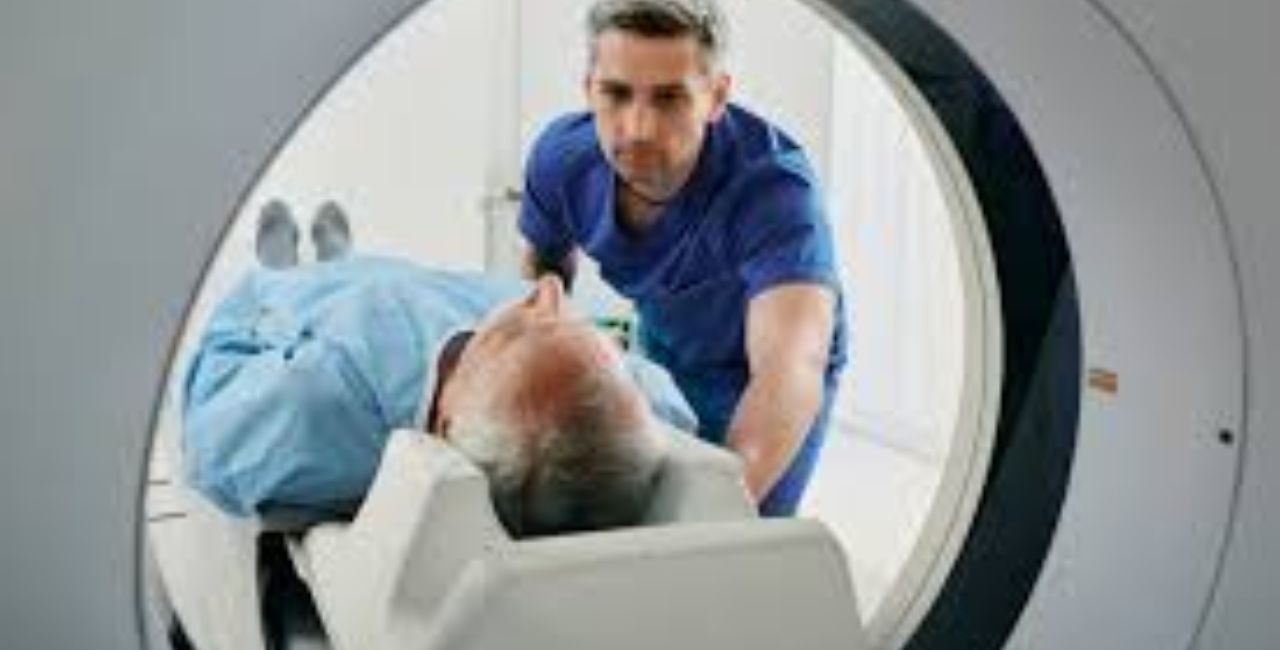
Doctors rely on you to prepare patients, position them correctly, and ensure safe radiation use. You work in hospitals, clinics, or imaging centers. Your role combines technical skills with compassion, as patients may feel anxious during scans.
Key responsibilities include:
- Reviewing doctor orders and patient history.
- Explaining procedures to ease fears.
- Operating scanners and adjusting settings for clear images.
- Monitoring for contrast reactions if dyes are used.
- Collaborating with radiologists to review results.
This job evolved from basic radiography. Today, ct technologists specialize in areas like cardiac or oncology imaging.
The History of CT Scanning and the Role of Technologists
CT technology started in the 1970s. Engineer Godfrey Hounsfield and physicist Allan Cormack invented the first scanner in 1971. They won a Nobel Prize for it. The first patient scan at Atkinson Morley Hospital in London showed a brain tumor clearly— a breakthrough over flat X-rays.
Early scanners were slow, taking hours for one image. By the 1980s, faster machines emerged. Now, modern CT scanners capture images in seconds, using less radiation.
As a ct technologist, you stand at the forefront of this evolution. You handle advanced features like multi-slice scanners that image entire organs quickly. Your role ensures accurate diagnostics, reducing the need for invasive procedures.
Statistics show CT scans grew from 3 million in 1980 to over 80 million annually in the U.S. by 2020. This demand highlights your importance in healthcare.
Why Choose a Career as a CT Technologist?
Healthcare needs skilled imaging experts. The U.S. Bureau of Labor Statistics (BLS) projects 6% growth for radiologic technologists, including ct technologists, from 2023 to 2033. That’s faster than average.
Aging populations and tech advances drive this. More people need scans for chronic conditions. New scanners improve speed and safety, expanding uses.
You contribute to life-saving diagnoses. For example, CT detects strokes early, allowing quick treatment. Your work reassures patients during tough times.
Education Requirements for CT Technologists
Start with a solid foundation. Most employers require an associate degree in radiologic technology. These programs last two years and cover anatomy, physics, and patient care.
Enroll in an accredited program from the Joint Review Committee on Education in Radiologic Technology (JRCERT). Courses include:
- Radiation safety.
- Imaging principles.
- Basic radiography.
After, pursue CT-specific training. Many programs offer certificates or advanced courses. For instance, a six-month CT program teaches scanner operation and protocols.
Bachelor’s degrees in radiologic sciences boost advancement. They include management and research, preparing you for leadership.
Hands-on clinical rotations build skills. You practice under supervision, completing scans on real patients.
Certification and Licensure for CT Technologists
Certification proves your expertise. The American Registry of Radiologic Technologists (ARRT) offers the gold standard.
To qualify for ARRT CT certification:
- Hold primary certification in radiography, nuclear medicine, or radiation therapy.
- Complete 16 hours of structured education in CT topics like patient care and procedures.
- Document 125 clinical CT procedures.
- Pass the ARRT CT exam (165 questions on safety, imaging, and protocols).
The exam costs $200, with three attempts allowed over three years. Renew every two years with 24 continuing education (CE) credits.
Some states require licensure. Check your state’s board— it may involve additional exams or fees.
The Nuclear Medicine Technology Certification Board (NMTCB) offers CT credentials for nuclear medicine techs.
Stay updated: ARRT updated CT content specs in 2026, emphasizing dose reduction and advanced imaging.
Professional groups like the American Society of Radiologic Technologists (ASRT) provide CE resources.
Essential Skills for Success as a CT Technologist
Excel with technical and soft skills. You master scanner software for precise images.
Key technical skills:
- Equipment operation: Calibrate machines and troubleshoot issues.
- Image reconstruction: Use software to create 3D views.
- Radiation safety: Follow protocols to minimize exposure.
- Anatomy knowledge: Identify structures and spot abnormalities.
Soft skills matter too:
- Communication: Explain scans clearly and calmly.
- Empathy: Comfort scared patients.
- Attention to detail: Ensure accurate positioning.
- Teamwork: Work with doctors and nurses.
Build these through practice. For example, simulate emergencies in training.
A Day in the Life of a CT Technologist
Your shift starts with equipment checks. You review schedules and prepare rooms.
Morning: Greet patients, verify identities, and explain procedures. Position them on the table, administer contrast if needed, and start scans.
Midday: Handle emergencies like trauma cases. Quick thinking ensures fast, clear images.
Afternoon: Review images with radiologists, document findings, and clean equipment.
Shifts vary— 8-12 hours, including nights or weekends in hospitals. In clinics, hours are more regular.
Challenges include busy ERs or difficult patients. Rewards? Seeing your scans lead to quick diagnoses.
For instance, you might scan a chest for pulmonary embolism, helping save a life.
Salary Expectations for CT Technologists
Earn competitively. The BLS reports a median salary of $77,660 for radiologic technologists in 2024. Ct technologists often earn more due to specialization— around $80,000-$90,000 annually.
Factors influencing pay:
- Experience: Entry-level starts at $60,000; seniors reach $100,000+.
- Location: California averages $107,000; Texas $76,000.
- Employer: Hospitals pay higher than clinics.
- Certification: ARRT boosts earnings by 10-20%.
Travel ct technologists earn $70,000-$120,000 with bonuses.
In 2026, expect slight increases from demand.
Job Outlook and Demand for CT Technologists
The field grows steadily. BLS predicts 14,100 new jobs by 2033.
Reasons:
- Aging baby boomers need more scans.
- Tech advances like AI integration create roles.
- Shortages in rural areas offer opportunities.
Specialize in cardiac CT via the Society of Cardiovascular Computed Tomography (SCCT) for better prospects.
Pros and Cons of Being a CT Technologist
Weigh the benefits and challenges.
Pros:
- Job security: High demand ensures stability.
- Variety: Each day brings new cases.
- Impactful work: Help diagnose and treat patients.
- Advancement: Move to supervision or education.
- Competitive pay: Above-average salaries with benefits.
- Short education path: Start working after two years.
- Tech focus: Use cutting-edge equipment.
Cons:
- Physical demands: Lift patients and stand long hours.
- Radiation exposure: Follow safety rules to minimize risks.
- Stressful situations: Handle emergencies or upset patients.
- Irregular hours: Weekends and on-call shifts.
- Continuing education: Required for certification renewal.
Overall, pros outweigh cons for many. Focus on safety and self-care.
Career Advancement Opportunities for CT Technologists
Grow beyond entry-level. Gain experience, then pursue roles like lead ct technologist.
Paths include:
- Supervision: Oversee teams in imaging departments.
- Education: Teach in programs or train staff.
- Specialization: Focus on pediatric or interventional CT.
- Management: Become department director with a bachelor’s.
- Research: Contribute to tech developments.
Join ASRT or SCCT for networking. Attend conferences for CE and connections.
Advanced certifications like ARRT’s in MRI or sonography expand options.
Travel contracts build resumes and pay well.
Tips for Aspiring CT Technologists
Succeed with these steps:
- Shadow professionals: Observe in hospitals.
- Choose accredited schools: Ensure ARRT eligibility.
- Build a portfolio: Document clinical hours.
- Prepare for exams: Use practice tests from ASRT.
- Network: Join LinkedIn groups for ct technologists.
- Stay healthy: Practice ergonomics to avoid injuries.
Resources: Check how to become a cat scan technologist for detailed steps.
For training, explore MTMI’s guide.
Specialize in cardiac CT via SCCT resources.
Common Challenges and How to Overcome Them
Face issues head-on. Radiation fears? Use protective gear and monitors.
Patient anxiety? Communicate reassurance: “This scan is quick and safe.”
Burnout from shifts? Rotate schedules and take breaks.
Tech glitches? Train regularly on updates.
Seek support from peers or mentors.
The Future of CT Technology and Its Impact on Technologists
AI and faster scanners change your role. AI aids in image analysis, letting you focus on patients.
Lower-dose machines improve safety.
Tele-radiology allows remote work.
Stay adaptable with CE.
Integrating CT with Other Imaging Modalities
You often combine CT with MRI or PET for better diagnostics.
For example, PET/CT scans detect cancer precisely.
Learn hybrids for versatility.
Patient Safety and Ethical Considerations
Prioritize safety. Follow ALARA (As Low As Reasonably Achievable) for radiation.
Obtain consent and respect privacy.
Report errors promptly.
Ethics build trust.
Real-Life Stories from CT Technologists
Many share fulfillment. One tech recalled scanning a child, spotting a tumor early, leading to successful treatment.
Another appreciated variety: “No two days are the same.”
Challenges? “Emergencies test you, but saving lives motivates.”
Preparing for Your First Job as a CT Technologist
Apply via sites like Indeed. Highlight certification and clinicals.
Interview tips: Demonstrate patient focus and tech knowledge.
Start in hospitals for experience.
Balancing Work and Life as a CT Technologist
Manage shifts with planning. Use days off for hobbies.
Wellness: Exercise and eat well.
Support networks help.
Conclusion
A career as a ct technologist offers excitement, stability, and purpose. You blend technology with care to impact lives. With growing demand, competitive pay, and advancement paths, it’s a smart choice. Follow the steps: educate, certify, and thrive.
What inspired you to consider becoming a ct technologist? Share in the comments.