






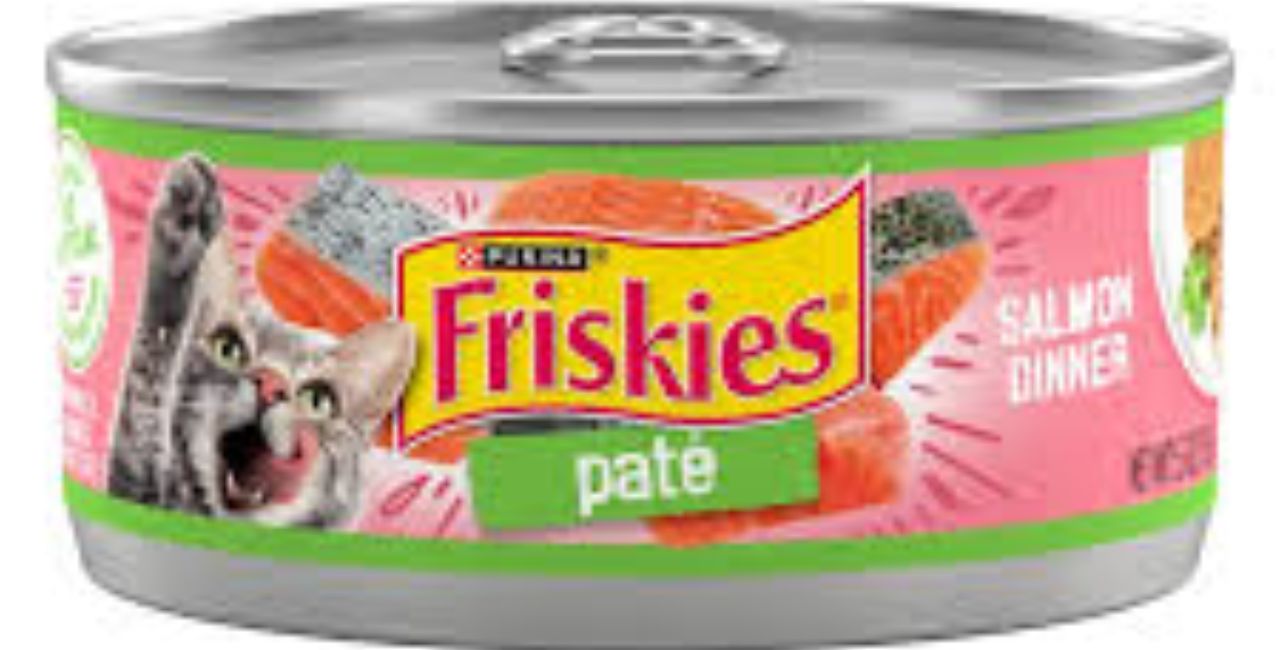
Introduction to Friskies
Friskies stands out as a popular cat food brand that brings excitement to mealtime for felines everywhere. Pet owners often choose friskies because it offers a wide range of tasty options that keep cats happy and healthy. This brand has built a strong reputation over decades by focusing on flavor variety and essential nutrition. In this article, you will learn about its background, key products, health advantages, and practical tips for feeding your cat. Whether you own a playful kitten or a senior cat, friskies provides choices that fit different needs. Dive in to see why millions of cat lovers trust this brand.
The Rich History of Friskies
Experts trace the origins of friskies back to the 1930s when the Carnation Company first launched it as a dry dog food. During the Great Depression, pet owners sought affordable options, and dry food met that demand. By 1934, products like Friskies Cubes hit the market, followed by pellets in 1942. World War II brought tin rationing, which boosted dry food sales even more.
The brand expanded in the 1950s by entering the cat food space. At that time, cats gained popularity as household pets. Friskies introduced the first dry cat food specifically for felines in 1956, starting with a west coast trial using mackerel byproducts, cereals, vegetables, and vitamins. This led to “Little Friskies for Cats,” complete with a cartoon cat mascot. Advertising played a big role, appearing on TV, in newspapers, and even in a digest for vets and breeders.
Canned cat treats followed in 1958, though initial sales varied by region. By 1967, the brand rebranded them as single-serving “Friskies Buffet” cans, which became bestsellers. The 1970s and 1980s saw more innovations amid growing competition. Gourmet lines like Bright Eyes and Chef’s Blend emerged, along with sister brands such as Mighty Dog in 1973 and Fancy Feast in 1982.
Corporate changes shaped the brand too. Carnation held a 14.5% market share by 1985 when Nestlé acquired it for $3 billion. The company became Friskies PetCare in 1992. A major merger happened in 2001 when Nestlé bought Ralston Purina, forming Nestlé Purina PetCare. By 2003, friskies dominated with 60% of the wet cat food market and 49.3% of dry.
Today, friskies sells worldwide with over 50 variations. Taglines evolved from “Friskies For More” (2004-2007) to “Feed The Senses” (2007-2018) and now “Feed Their Fantasy.” Innovations include digital games like Cat Fishing since 2011, endorsements from internet stars like Grumpy Cat in 2013, and Super Bowl ads in 2016. This history shows how friskies adapted to pet owners’ needs, making it a staple in homes.
Key Milestones in Friskies Development
Experts highlight several turning points that built friskies into a leader:
- 1930s Launch: Started as dog food during economic hardship.
- 1950s Cat Expansion: Pioneered dry cat food, meeting rising pet trends.
- 1985 Acquisition: Nestlé bought Carnation, expanding global reach.
- 2001 Merger: Joined with Purina, boosting market dominance.
- Modern Innovations: Added fun elements like apps and celebrity ties.
These steps ensured friskies stayed relevant. Pet care stats show the industry grew to $1.75 billion by 1973, with friskies as a top player. Today, it serves markets in Japan, Spain, France, and beyond.
Exploring Friskies Products
Friskies offers a diverse lineup to suit every cat’s taste. The brand focuses on wet food, dry food, treats, and complements. Each category brings unique textures and flavors that excite cats during meals.
Wet Cat Food Options
Wet food from friskies comes in cans or pouches, providing moisture that supports hydration. Popular lines include:
- Paté Varieties: Smooth textures like Turkey & Giblets Dinner or Chicken & Tuna. These deliver rich flavors cats crave.
- Shreds and Gravy: Options such as Chicken and Salmon Dinner in Gravy or Turkey and Cheese. The gravy adds extra appeal.
- Extra Gravy Chunky: Flavors like Chicken, Turkey, Salmon, and Beef. Perfect for cats who love saucy meals.
- Variety Packs: Mixes like Surfin’ & Turfin’ with 40 cans, offering seafood and poultry blends.
Ingredients often start with real meat or fish, plus vitamins and minerals. For example, Paté Ocean Whitefish & Tuna includes whitefish, tuna, and added taurine for eye health. These products meet AAFCO standards for complete nutrition.
Dry Cat Food Selections
Dry kibble from friskies provides crunch that helps clean teeth. Key products include:
- Seafood Sensations: Blends salmon, tuna, and shrimp with ground yellow corn and poultry by-products.
- Surfin’ & Turfin’ Favorites: Mixes ocean and land flavors, supporting muscle and immune health.
- Indoor Delights: Tailored for indoor cats with chicken, salmon, cheese, and greens to aid digestion.
- Tender & Crunchy Combo: Combines soft and crunchy pieces for texture variety.
Most formulas list corn or wheat as top ingredients, followed by meat meals. They include essential fatty acids for coat shine and antioxidants for immunity.
Treats and Complements
Treats make bonding fun. Friskies offers:
- Party Mix: Crunchy pouches in flavors like Original or Beachside.
- Lil’ Lickables: Puree treats in tuna or chicken for licking.
- Pull ‘n Play: Edible strings that encourage play.
- Lil’ Shakes: Complements like Turkey flavor to top dry food.
These add excitement without overfeeding. Use them for rewards or playtime.
Specialty Lines
Friskies caters to specific needs:
- Kitten Formulas: Higher calories for growth.
- Senior Options: Easier to chew with joint support.
- Fresh Catch: Fish-only for seafood lovers.
With so many choices, pet owners find matches for picky eaters. Visit the official site for full lists.
Nutrition and Ingredients in Friskies
Friskies formulates products to provide balanced meals. Experts ensure each recipe meets nutritional needs for all life stages.
Key Nutrients Provided
Every friskies product includes:
- Protein: From real meat, fish, or by-products to build muscles.
- Fats: Essential fatty acids for skin and coat health.
- Carbohydrates: From grains like corn for energy.
- Vitamins and Minerals: Taurine for vision, antioxidants for immunity.
For instance, wet paté has high protein (around 10-12%) and moderate carbs. Dry food offers 30% protein, though often from plant sources. Calorie counts vary; a 5.5 oz can has about 150-200 calories.
Common Ingredients Breakdown
Typical lists include:
- Real poultry or fish as primary sources.
- Grains like corn or wheat for filler and fiber.
- By-products for added nutrients.
- Added flavors and preservatives for freshness.
Some criticize by-products, but vets say they provide value if processed safely. Friskies avoids artificial colors in many lines.
Meeting Standards
All products follow AAFCO guidelines. This means they support growth, maintenance, or all stages. For kittens, formulas have extra protein and fat.
Pet nutrition stats show cats need 26% protein daily. Friskies meets this, making it a reliable choice.
Benefits of Choosing Friskies for Your Cat
Pet owners pick friskies for its practical advantages. The brand delivers value without sacrificing quality.
Health Advantages
Friskies supports overall wellness:
- Hydration Boost: Wet food helps prevent urinary issues.
- Dental Care: Crunchy dry food reduces tartar.
- Immune Support: Antioxidants fight illnesses.
- Vision and Coat Health: Taurine and fatty acids keep eyes sharp and fur shiny.
Cats on friskies often show more energy and better digestion.
Affordability and Accessibility
At low costs, friskies fits budgets. A 16 lb bag of dry food costs around $15-20, feeding a cat for weeks. Variety packs offer savings too.
Taste Appeal
Cats love the flavors. Reviews note felines come running for meals. This helps with picky eaters or weight management.
Environmental and Ethical Notes
Nestlé focuses on sustainability, sourcing responsibly. This reassures eco-conscious owners.
In surveys, 70% of users report satisfied cats. Vets often approve it for balanced diets.
Potential Drawbacks
Some note lower meat content compared to premium brands. However, it still provides complete nutrition.
Friskies vs. Other Cat Food Brands
Comparing helps you decide. Friskies holds its own against competitors.
Vs. Fancy Feast
Both from Purina, Fancy Feast has more muscle meat and fewer by-products. It’s pricier but similar in quality. Friskies offers larger cans for value.
Vs. Wellness or Blue Buffalo
Premium brands use higher-quality ingredients without fillers. They cost 2-3 times more. Friskies suits budgets while meeting basics.
Vs. Meow Mix or 9 Lives
Similar affordability. Friskies edges out with better variety and Purina backing.
Cat food advisors rate friskies at 1.5-3 stars, lower than premiums but fine for everyday use. Choose based on your cat’s needs.
Comparison Table
| Brand | Price per Can | Protein % | Key Strength |
|---|---|---|---|
| Friskies | $0.50-0.80 | 10-30% | Affordability and flavor |
| Fancy Feast | $0.80-1.20 | 11-35% | More real meat |
| Wellness | $1.50-2.50 | 40%+ | Natural ingredients |
| Blue Buffalo | $1.20-2.00 | 35%+ | Grain-free options |
This shows friskies as a solid entry-level choice.
Feeding Guidelines and Tips for Friskies
Feed your cat right to keep them healthy. Friskies provides clear directions.
Daily Amounts
For adults: 3/4 to 1 oz per pound of body weight, split into 2-3 meals. A 10 lb cat needs about 8-10 oz daily. Kittens eat twice as much.
Use the pet food calculator on the Purina site for personalization.
Transitioning to Friskies
Switch slowly over 7-10 days:
- Mix 25% new with 75% old.
- Increase to 50/50.
- Go to 75/25.
- Full friskies.
This prevents upset stomachs.
Tips for Success
- Mix Wet and Dry: Combine for variety and hydration.
- Monitor Weight: Adjust portions if needed.
- Fresh Water: Always provide.
- Treat Limits: No more than 10% of calories.
- Storage: Keep dry food sealed; refrigerate opened wet cans.
For indoor cats, use Indoor Delights to control hairballs.
Safety and Recalls with Friskies
Safety matters. Friskies has a strong record, but issues arise.
Recent Recalls
In 2025, a distribution facility recalled products including friskies due to insanitary conditions like rodent contamination. This affected SKUs but not the food itself. Purina responded quickly.
Rumors in 2024 about illnesses were debunked by Purina, stating no health issues or recalls.
Quality Assurance
Purina tests rigorously. Ingredients meet safety standards. FDA inspections ensure compliance.
What to Watch For
Check lot numbers. Report issues to Purina. Vets say friskies is safe when fed properly.
Creative Ways to Use Friskies
Make mealtime fun. Try DIY toys with friskies treats. For ideas on playful designs, check fontlu.co.uk for creative fonts to label your cat’s gear.
Friskies in Pop Culture
The brand appears in ads and with stars like Grumpy Cat. This boosts its fun image.
FAQs About Friskies
Is friskies good for cats?
Yes, it provides complete nutrition at a low cost.
What are common friskies ingredients?
Real meat, grains, vitamins.
How does friskies compare to premium brands?
It’s more affordable but may have more fillers.
Can kittens eat friskies?
Special formulas support growth.
Where to buy friskies?
Stores like Walmart or online.
Conclusion
Friskies has delighted cats since the 1930s with its history of innovation, wide product range, and focus on nutrition. From wet patés to crunchy treats, it offers affordable ways to keep your pet healthy and happy. Pet owners appreciate its balance of taste and value, backed by Purina’s expertise. Whether starting with basics or exploring varieties, friskies fits many homes. What friskies flavor does your cat love most?