






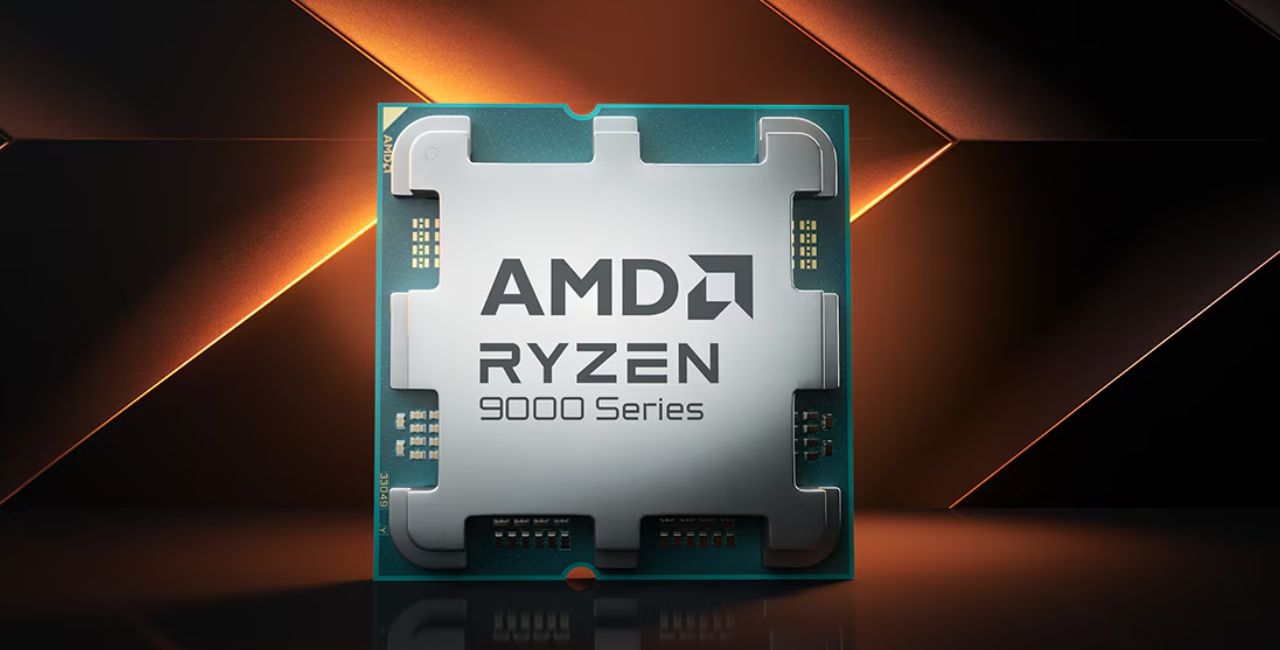
When you think about powerful computer processors, Ryzen comes to mind as a leader in the field. Ryzen is AMD’s brand of high-performance CPUs that have transformed how we use desktops, laptops, and even servers since their launch. These processors stand out for their balance of speed, efficiency, and value, making them a go-to choice for gamers, creators, and everyday users. In this guide, we dive deep into what makes Ryzen special, from its roots to the latest models.
AMD introduced Ryzen to challenge the market and bring fresh options to users tired of limited choices. With cores that handle multiple tasks at once and smart tech that boosts speed when needed, Ryzen helps your computer run smoother. Whether you build a new PC or upgrade an old one, understanding Ryzen can lead to better decisions.
The History of Ryzen
AMD launched Ryzen in 2017 as a fresh start after years of trailing in the CPU race. Before Ryzen, AMD’s Bulldozer series from 2011 focused on parallel tasks but fell short in everyday speed compared to rivals. This left AMD with a smaller market share. The company needed a big change.
The development of Ryzen began with a small team at AMD aiming to create chips that could compete head-on. They based it on the Zen microarchitecture, which promised more instructions per clock cycle—up to 52% better than older designs. This meant faster processing without using more power.
On March 2, 2017, the first Ryzen chips hit the shelves. Models like the Ryzen 7 1800X offered eight cores and 16 threads, a big jump for mainstream users. Priced lower than similar Intel options, they quickly gained fans. By the end of 2017, AMD’s market share grew, showing Ryzen‘s impact.
Over the years, Ryzen evolved through updates. In 2018, Ryzen 2000 series brought refinements like better clocks and integrated graphics in some models. This helped AMD enter mobile markets with laptops. By 2019, Ryzen 3000 shifted to a 7nm process, shrinking transistors for efficiency and adding more cores—up to 16 in desktop versions.
The COVID-19 era boosted demand for home computing, and Ryzen met it with strong multi-thread performance for video calls, editing, and gaming. AMD’s acquisition of Xilinx in 2022 added AI smarts, leading to Ryzen AI in later models. Today, in 2025, Ryzen holds a strong position, with over 50% market share in some segments, thanks to consistent innovation.
Key milestones include:
- 2017: First Ryzen launch, focusing on value and cores.
- 2019: Zen 2 brings PCIe 4.0 for faster storage.
- 2022: Zen 4 introduces DDR5 memory support.
- 2024: Zen 5 adds advanced AI processing.
This history shows how Ryzen turned AMD around, proving that smart design beats sheer power.
Core Architecture Behind Ryzen
At the heart of Ryzen lies the Zen architecture, which AMD refines with each generation. Zen started with a focus on efficiency—smaller nodes like 14nm allowed more transistors without extra heat.
Zen uses a chiplet design from Zen 2 onward. Instead of one big chip, AMD splits cores into smaller modules connected by Infinity Fabric. This cuts costs and boosts yields. For example, a Ryzen 9 chip might have two chiplets with eight cores each.
Key elements include:
- Cores and Threads: Ryzen offers simultaneous multi-threading (SMT), letting each core handle two tasks. A six-core chip acts like 12.
- Cache System: Large L3 caches speed up data access. Models with 3D V-Cache stack memory vertically for gaming boosts.
- Instruction Sets: Supports AVX-512 for heavy math, AES for encryption, and more.
AMD’s SenseMI tech learns from your use. It includes:
- Precision Boost: Raises clock speeds in 25MHz steps when cool.
- Neural Net Prediction: Guesses next tasks to prep data.
- Smart Prefetch: Loads info ahead, cutting wait times.
This setup makes Ryzen versatile. For pros, it handles 3D rendering; for gamers, it maintains high frames.
Generations of Ryzen Processors
Ryzen has grown through multiple generations, each building on the last. Let’s break them down.
First Generation: Ryzen 1000 Series (Zen, 2017)
The debut series used 14nm tech with up to eight cores. Models like Ryzen 5 1600 offered great value at under $200. They excelled in multi-thread tasks but lagged in single-thread games initially.
Features:
- DDR4 memory support.
- Unlocked for overclocking.
- AM4 socket for easy upgrades.
Benchmarks showed 40% better multi-thread performance than prior AMD chips.
Second Generation: Ryzen 2000 Series (Zen+, 2018)
Refined on 12nm, with higher clocks. Ryzen 7 2700X hit 4.3GHz boosts. APUs added Vega graphics for budget builds without GPUs.
Improvements:
- Better power efficiency.
- Precision Boost 2 for smoother scaling.
- Mobile versions for laptops.
Market share jumped 10% that year.
Third Generation: Ryzen 3000 Series (Zen 2, 2019)
Switched to 7nm and chiplets. Ryzen 9 3950X packed 16 cores. PCIe 4.0 doubled bandwidth for SSDs.
Highlights:
- Up to 15% IPC gain.
- Better gaming with optimized caches.
- Threadripper variants for workstations.
Comparisons: Beat Intel’s i9 in content creation by 20%.
Fourth Generation: Ryzen 4000 Series (Zen 2 Refresh, 2020)
Focused on mobile with Renoir APUs. Desktop versions were limited but efficient.
Key:
- Integrated RDNA graphics.
- Low power for laptops.
Fifth Generation: Ryzen 5000 Series (Zen 3, 2020)
Unified cores for 19% IPC uplift. Ryzen 9 5950X dominated benchmarks.
Advances:
- 5GHz boosts.
- X3D models with extra cache for gaming.
- AM4 compatibility extended.
Gaming wins: 15% faster than Intel in titles like Cyberpunk.
Sixth Generation: Ryzen 6000 Series (Zen 3+, 2022)
Mobile-heavy with RDNA 2 graphics. DDR5 in some.
Seventh Generation: Ryzen 7000 Series (Zen 4, 2022)
AM5 socket, 5nm process. Ryzen 9 7950X3D leads gaming.
Features:
- PCIe 5.0.
- Up to 170W TDP.
- AI acceleration.
Benchmarks: 30% single-thread gains.
Eighth Generation: Ryzen 8000 Series (Zen 4 Refresh, 2024)
Desktop APUs with RDNA 3. Ryzen 7 8700G plays HD games without discrete cards.
Ninth Generation: Ryzen 9000 Series (Zen 5, 2024)
4nm, up to 16 cores. Ryzen 9 9950X3D crushes rivals.
New:
- RDNA 3.5 in mobiles.
- 50 TOPS AI NPU.
- 2nd-gen V-Cache.
2025 updates include Z2 for handhelds.
Each gen reassures users with backward compatibility where possible, like AM5 supporting future chips.
Key Features That Set Ryzen Apart
Ryzen shines with features that make computing easier and faster.
- Multi-Core Power: Handles editing, streaming, and browsing at once.
- Overclocking Tools: Ryzen Master app lets you tweak safely.
- Efficiency Modes: Eco-Mode cuts power by 30% without big speed drops.
- AI Integration: Ryzen AI processes tasks like voice recognition on-chip.
- Graphics Options: G-series for integrated play.
For example, 3D V-Cache adds 144MB memory, boosting games by 20-50%.
Bold steps to use these:
- Install Ryzen Master: Download from AMD’s site.
- Enable Precision Boost Overdrive: One-click for extra speed.
- Pair with Fast RAM: Use AMD EXPO for overclocked DDR5.
These keep Ryzen reliable and future-proof.
Performance Benchmarks and Real-World Tests
Benchmarks prove Ryzen‘s worth. In 2025, Ryzen 9 9950X3D leads.
Gaming:
- Cyberpunk 2077: +59% vs. Intel Core Ultra 9.
- Call of Duty: +47%.
Productivity:
- Photoshop: +147%.
- Blender: 30% faster renders.
Comparisons from Tom’s Hardware show Ryzen 7 9800X3D 35% ahead in 1080p gaming.
Real-world: A user editing 4K video on Ryzen 7 cuts export time by half vs. older Intel.
Stats: Ryzen uses up to 49% less power for same output.
Ryzen vs. Competitors: A Fair Comparison
Ryzen often beats Intel in value. Intel focuses on single-thread, but Ryzen wins multi-thread.
Pros of Ryzen:
- More cores per dollar.
- Better efficiency.
- Platform longevity.
Cons: Sometimes higher heat in top models.
In 2025, Ryzen 9800X3D outperforms Intel Arrow Lake by 20% in games.
For servers, Epyc (Ryzen-based) handles more threads.
Choose Ryzen if you multitask; Intel for pure clock speed.
Applications and Uses for Ryzen
Ryzen fits many roles.
Gaming Builds
Pair Ryzen 5 with a GPU for smooth 1440p play. X3D models excel.
Content Creation
Ryzen 9 speeds up video edits and 3D models.
Everyday Computing
Ryzen 3 handles browsing and office work cheaply.
Mobile and Laptops
Ryzen in devices like Lenovo laptops offers long battery life. For example, check Lenovo’s AMD Ryzen FAQs for integration details.
Workstations
Threadripper for pros needing 96 cores.
Tips:
- Match with fast SSDs.
- Use good cooling.
Building a PC with Ryzen
Start simple.
Steps:
- Choose Your Ryzen CPU: Based on needs—Ryzen 5 for balance.
- Select Motherboard: AM5 for latest.
- Add RAM: DDR5 for speed.
- Install OS: Windows 11 optimizes Ryzen.
- Customize: For themes, explore resources like fontlu.co.uk for display fonts.
This setup reassures smooth performance.
The Future of Ryzen
AMD promises AM5 support through 2027+. Expect Zen 6 with more AI and efficiency.
In 2025, handhelds like ROG Ally use Ryzen Z2 for portable power.
Ryzen will keep evolving, focusing on AI and green tech.
FAQs About Ryzen
What is Ryzen? Ryzen is AMD’s line of processors for desktops and laptops, known for high core counts.
How do Ryzen generations differ? Each improves efficiency and adds features like better AI.
Is Ryzen good for gaming? Yes, especially X3D models with extra cache.
Ryzen vs. Intel: Which is better? Ryzen offers better value for multi-tasks.
Where to buy Ryzen? Check official sites like AMD’s Ryzen page.
Conclusion
Ryzen has redefined processors with its focus on cores, efficiency, and innovation across generations. From humble beginnings in 2017 to dominating benchmarks in 2025, Ryzen provides reliable power for all users. Whether gaming or working, it delivers without breaking the bank.
What Ryzen build are you planning next?